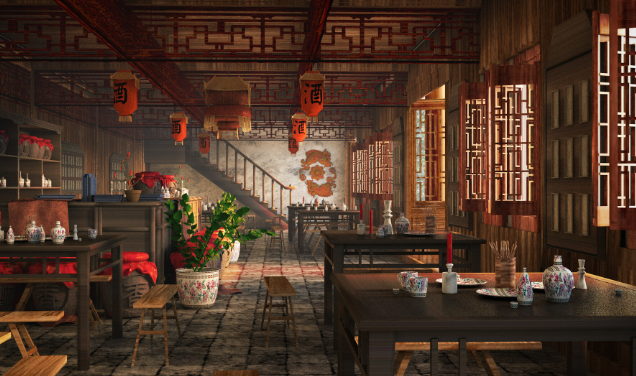
Chinese restaurant dining can offer a refreshing change when diners want familiar comfort with plenty of room for discovery. The cuisine brings together crisp vegetables, fragrant herbs, savory sauces, tender proteins, handmade noodles, delicate dumplings, and carefully prepared seafood. Instead of relying on one dominant flavor, many dishes https://www.newhongkongchineserestaurant.com/ create interest through contrasts in texture, aroma, seasoning, and temperature. A fresh dining experience can begin with a light vegetable dish before moving toward richer specialties or aromatic noodles. Regional influences add even more variety, giving diners opportunities to discover preparations they may not encounter in everyday meals. Whether dining with family, meeting friends, or simply looking for something different, a Chinese restaurant provides a flexible setting where classic recipes and fresh flavor combinations can share the same table.
Fresh Ingredients Shape the Meal
Fresh ingredients can make a noticeable difference in Chinese restaurant dishes. Crisp vegetables, fragrant scallions, ginger, garlic, mushrooms, seafood, and quality proteins each contribute their own characteristics. Cooks often use seasoning to enhance these ingredients rather than completely cover their natural flavors. Quick stir-frying can preserve the texture of vegetables, while steaming can keep fish delicate and moist. Fresh ingredients also make it easier to create contrast across a shared meal. A crisp vegetable dish can balance tender meat, while fragrant seafood can provide a lighter option beside richer specialties. This thoughtful use of ingredients gives diners a chance to experience several flavors without making the meal feel repetitive.
Aromatic Cooking Adds Freshness
Aromatics play an important role in creating the inviting character of Chinese cuisine. Ginger, garlic, scallions, sesame, and fresh herbs can introduce fragrance before diners even take their first bite. These ingredients work particularly well with stir-fried vegetables, seafood, noodles, and meat. Garlic can provide a savory edge, while ginger brings warmth and freshness to delicate dishes. Scallions can add a mild sharpness that brightens sauces and broths. When cooks combine these ingredients carefully, they can create depth without relying on heavy seasoning. The result gives familiar dishes a lively quality that keeps the palate interested from one course to the next.
Colorful Vegetables Bring Contrast
Vegetable dishes can give a Chinese restaurant table a brighter and more refreshing character. Bok choy, Chinese broccoli, mushrooms, snow peas, peppers, eggplant, and leafy greens can appear in a wide range of preparations. Stir-frying can preserve their crisp texture, while steaming allows their natural flavors to remain prominent. Garlic, ginger, sesame, and light sauces can add depth without making vegetables feel heavy. Their colors also create visual variety alongside noodles, rice, seafood, and roasted meat. For diners seeking a fresher meal, vegetable-focused dishes provide an easy way to balance richer choices while still enjoying bold and satisfying flavors.
Light Seafood Offers Delicate Flavor
Seafood can introduce a lighter direction to a Chinese restaurant meal. Fish, shrimp, squid, and shellfish can undergo steaming, stir-frying, braising, or other preparation methods that highlight different qualities. Steamed fish with ginger and scallions offers a particularly delicate combination, allowing the natural taste of the seafood to remain prominent. Shrimp can provide more versatility because cooks can incorporate it into dumplings, noodles, vegetable dishes, or flavorful stir-fries. Seafood also pairs naturally with rice and fresh vegetables, creating a balanced table. Diners who normally choose meat can explore seafood as a way to experience a softer and more ingredient-focused side of Chinese cuisine.
Dumplings Offer Endless Variety
Dumplings provide plenty of opportunities to refresh a familiar dining routine. Different fillings can create completely different experiences, with options that include pork, shrimp, vegetables, mushrooms, beef, or combinations of several ingredients. Cooking methods add another layer of variety. Steamed dumplings offer a tender texture, while pan-fried versions develop crisp surfaces and richer aromas. Dipping sauces can introduce vinegar, soy, chili, or sesame flavors, allowing diners to adjust each bite. Sharing several pieces also makes dumplings ideal for group dining. A table can sample different varieties without committing to one large dish, turning a familiar favorite into a small culinary exploration.
Noodles Create New Combinations
Noodles can bring both comfort and freshness to the table depending on how cooks prepare them. Stir-fried noodles often combine vegetables, meat, seafood, and aromatic sauces, while noodle soups provide a lighter and more soothing experience. Different noodle shapes also create noticeable differences in texture. Thick noodles can deliver a satisfying chew, while thinner varieties can absorb lighter sauces and broths. Diners can explore different combinations of toppings and seasonings to discover which style suits them best. Noodles also pair easily with other shared dishes, making them a practical choice for creating a varied meal without overwhelming the table with heavy flavors.
Regional Recipes Expand Discovery
Exploring regional Chinese dishes can make a restaurant visit feel noticeably fresher. Sichuan cuisine can introduce spicy and aromatic combinations, while Cantonese cooking often emphasizes fresh ingredients and balanced seasoning. Northern Chinese traditions feature many wheat-based dishes, including dumplings, noodles, and steamed breads. Other regions offer distinctive rice dishes, seafood preparations, fermented flavors, and slow-cooked specialties. These regional differences show how Chinese cuisine extends far beyond a single flavor profile. Diners can begin with familiar dishes and gradually explore specialties from different areas. Each regional recipe can reveal another approach to seasoning, texture, and ingredient selection.
Balanced Sauces Keep Flavors Interesting
Sauces help shape the personality of many Chinese restaurant dishes. Soy sauce adds savory depth, vinegar provides acidity, sesame contributes nuttiness, and chili introduces warmth. Other sauces can bring sweetness, richness, or fermented complexity. The key lies in how cooks balance these elements with the main ingredients. A tangy sauce can brighten fried food, while a savory glaze can complement roasted meat. Lighter sauces may suit vegetables or seafood better than rich preparations. Diners who pay attention to these differences can develop a stronger appreciation for how small seasoning choices transform familiar ingredients. This makes each dish feel more distinctive and keeps the overall meal lively.
Tea Adds a Refreshing Pause
Tea can bring a calm and refreshing element to a flavorful Chinese restaurant meal. Jasmine tea offers floral fragrance, green tea provides a lighter character, while oolong and pu-erh bring deeper aromas. Sipping tea between dishes can refresh the palate, particularly when the table includes fried foods, rich sauces, or spicy specialties. Sharing a pot also supports the relaxed rhythm of communal dining. Guests can refill their cups while talking and sampling different dishes. This simple tradition adds another sensory layer to the meal while creating natural pauses between stronger flavors.
Shared Dining Keeps the Experience Flexible
A shared table gives diners more freedom to create a fresh combination of flavors. Instead of choosing one individual entrée, guests can select several dishes with different textures, temperatures, and seasoning levels. A meal might combine steamed seafood, crisp vegetables, pan-fried dumplings, fragrant noodles, and a savory meat specialty. Everyone can sample different dishes and decide which flavors stand out. This approach makes unfamiliar choices less intimidating because diners can try smaller portions. It also prevents the meal from becoming predictable. With a little curiosity, each visit can introduce another combination of ingredients and techniques while keeping the familiar social character of Chinese restaurant dining.